A variety of complementary health approaches have been studied to see whether they might be helpful for migraines or other types of headaches.
There's limited evidence that a few dietary supplements—including coenzyme Q10,the herbfeverfew,the mineralmagnesium, and the B vitamin riboflavin—might help reduce the frequency of migraines, but additional rigorous research is needed.
Studies suggest that relaxation techniques, such as self-hypnosis paired with guided imagery or autogenic training with or without biofeedback, may help reduce headache pain.
Acupuncture may help relieve headache pain, but much of its benefit may be due to nonspecific effects, including expectation, beliefs, and placebo responses, rather than specific effects of needling.
This email was sent to myhcistech.healthnews360@blogger.com using GovDelivery Communications Cloud on behalf of: National Center for Complementary and Integrative Health · 9000 Rockville Pike · Bethesda, MD 20892
Tune in to stay safe and informed during these challenging times!
New Podcast Episode Alert: Don’t Delay, Prepare Today! Planning Ahead for Travel
or a Natural Disaster
This episode provides vital information for anyone with diabetes during this challenging season of busy travel and natural disasters, such as hurricanes.
Whether you're planning a vacation or just looking to be prepared in an emergency, this episode is a must-listen. Tune in to gain practical knowledge and peace of mind that will help you tackle any travel or emergency with confidence.
In this episode, Dr. Steve Edelman, founder of Taking Control of Your Diabetes, shares invaluable personal insights and tips from his extensive experience traveling internationally with diabetes. His advice will help you manage diabetes confidently while away from home.
Additionally, Kelly O’Neal from the American Diabetes Association®, discusses the crucial work of the Diabetes Disaster Response Coalition. Kelly provides an overview of the resources they offer to support diabetes management in the event of natural disasters and other crises.
You can listen to the episode on our website, Spotify, Apple Podcasts, or your favorite podcast platform. Don't forget to subscribe for more insightful episodes from Diabetes Day by Day.
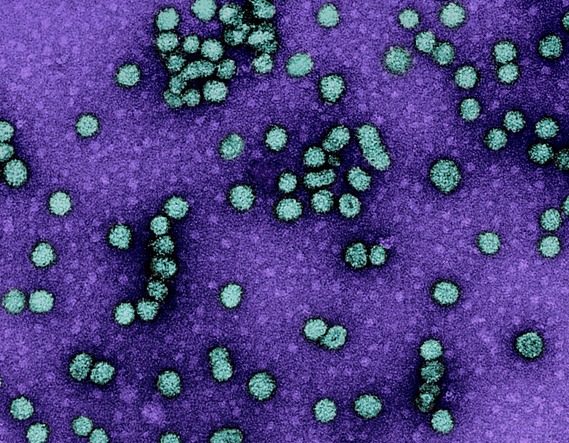
Colorized microscopic image of hepatitis B virus particles (teal). Credit: NIAID
Viral hepatitis affects the lives of about one in twenty people in the world, resulting in over a million deaths each year. NIAID is working on many ways to prevent and treat the different types of hepatitis, including the development of vaccines and improved therapeutics and diagnostics. July 28 is observed annually as World Hepatitis Day, providing an opportunity to reflect on the impact of hepatitis on global health and focus on strategies to reduce its burden. To observe World Hepatitis Day, NIAID highlights recent advances researchers have made in these areas.
This email was sent to myhcistech.healthnews360@blogger.com using GovDelivery Communications Cloud on behalf of: National Institute of Allergy and Infectious Diseases · 5601 Fishers Lane · Bethesda, MD 20892 · 1-866-284-4107
Office of Infectious Disease and HIV/AIDS Policy's Kaye Hayes and Director of the National Institute of Allergy and Infectious Diseases at NIH, Dr. Jeanne Marrazzo reflect on key moments from AIDS 2024. Credit: HIV.gov
Check out the NIAID blog for the latest updates from AIDS 2024 covering long-acting injectables, bi-directional learning, PACHA & more.
This email was sent to myhcistech.healthnews360@blogger.com using GovDelivery Communications Cloud on behalf of: National Institute of Allergy and Infectious Diseases · 5601 Fishers Lane · Bethesda, MD 20892 · 1-866-284-4107