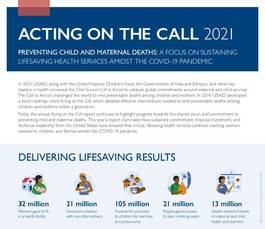
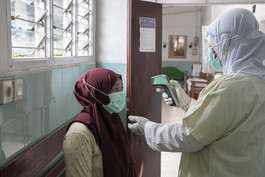
| Acting on the Call Bulletin Updates on USAID's Maternal, Newborn, and Child Survival Commitments | | 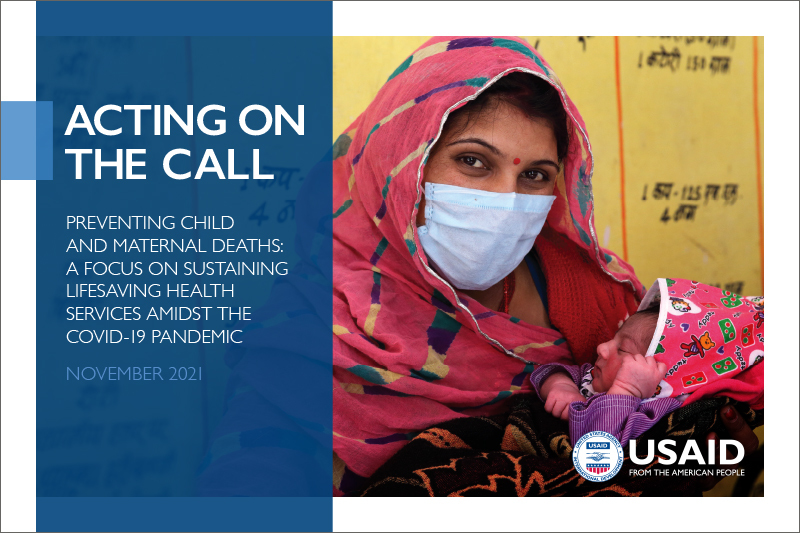 Credit: Soumi Das, Jhpiego ACTING ON THE CALL 2021 PREVENTING CHILD AND MATERNAL DEATHS: A FOCUS ON SUSTAINING LIFESAVING HEALTH SERVICES AMIDST THE COVID-19 PANDEMIC  For 60 years, USAID's global health programs have saved the lives of millions of women and children around the world. The COVID-19 pandemic significantly set back gains for maternal, newborn, and child survival by a number of years—if not decades—as a result of disruptions to the delivery of essential, lifesaving health services, such as routine immunizations, antenatal care, breastfeeding counseling, and voluntary family planning. Today, we're proud to launch the 2021 Acting on the Call Report—our annual update on progress to advance maternal and child survival—during the Global Week of Action for Child Health. This year's report illuminates how the United States' sustained commitment, financial investment, and responsive program adaptation have helped to ensure critical health services continue reaching women, children, and families. | | 
The "Acting on the Call Bulletin" is a quarterly newsletter from USAID focused on elevating how we are delivering on our commitment to prevent child and maternal deaths. To ensure you receive future editions, please join our email listserv  | | Special Edition Bulletin: NEW Acting On the Call Report! | | | Acting on the Call—the U.S. Agency for International Development (USAID)'s response to the 2012 global Call to Action— lays out a bold agenda to save the lives of women and children. Since 2014, this flagship report has served as a roadmap for accelerating progress against one of the Agency's top global health priorities: preventing maternal and child deaths. Explore the 2021 report and accompanying resources here. | | Featured Resources Featured resources highlight new products that present our progress to prevent maternal and child deaths over the past year. | | | This summary document for the Acting on the Call Report provides an overview of USAID's lifesaving results, investments in maternal and child health, Acting on the Call history, and call for the next decade of action. Clean water, safe sanitation, and good hygiene are critical for preventing and controlling infectious diseases. Yet in many countries, poor water, sanitation, and hygiene (WASH) conditions in health facilities expose pregnant women and newborns to illness and infection. | | Success Stories Despite the unique challenges the COVID-19 pandemic has posed for the global health community, it has also sparked innovative solutions to ensure the delivery of essential health care for mom and baby. | | 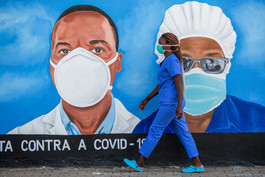 Credit: Karen Prinsloo, Jhpiego | | Since the start of the pandemic, USAID has worked tirelessly with our partners to rapidly deploy support and assistance to countries in need, both to fight COVID-19 and to deliver essential health and nutrition services. Read the stories of those working on the front lines to deliver care to women, children, and families. | | 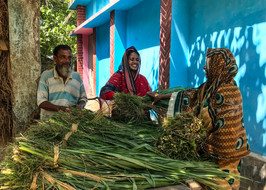 Credit: ACDI/VOCA In rural households in Bangladesh supported by USAID programming, 89 percent of women of reproductive age consumed diverse diets in 2021, compared to only 39 percent in 2015. | 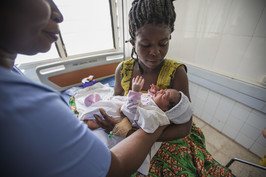 Credit: Bobby Neptune, USAID Global Health Supply Chain Program-Procurement and Supply Management Through USAID support, hundreds of health facilities and five regional medical store centers in Ghana have improved supply chain monitoring systems to support health workers by providing the supplies and equipment they need to provide quality, respectful care for mothers and their newborns. | | 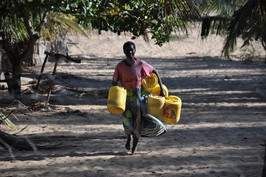 Credit: Festus Kivindu, Pathfinder International In Kenya, USAID supported over 120 communities to improve access to clean water and sanitation through locally-led approaches. Today, over 94 percent of households in these communities have latrines and more than 20,000 people have gained access to basic water services. | 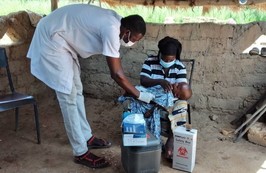 Credit: Soumeyla Dao, Association Conseil pour le Développement With USAID support, over 1,800 children received routine childhood vaccinations in the health area of Kadiana in Mali between April and June of 2020. Despite widespread disruptions to health services due to COVID-19, more children were vaccinated in this period than prior to the onset of the pandemic. | | 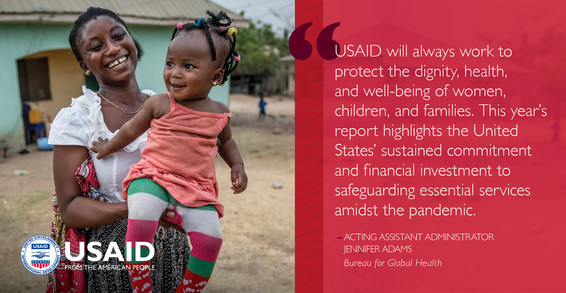 Credit: Karen Kasmauski, Maternal and Child Survival Program | | Engage with Us Follow @USAIDGH on Twitter and Facebook for upcoming success stories and awareness events commemorating international days. All throughout 2021, watch for special content related to USAID's work and impact over the past six decades, in honor of our 60th anniversary! | | We invite you to participate in the 2021 Acting on the Call launch and the Global Week of Action for Child Health on social media with our partner toolkit. | | | | |










No comments:
Post a Comment