Update your subscriptions, modify your password or e-mail address, or stop subscriptions at any time on your Subscriber Preferences Page. You will need to use your e-mail address to log in. If you have questions or problems with the subscription service, please contact Subscriber Help. This service is provided to you at no charge by National Institute of Allergy and Infectious Diseases (NIAID).
|
Thursday, January 19, 2023
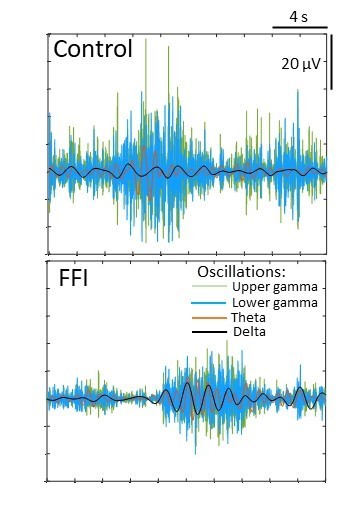
Cerebral Organoid Model in NIAID Study Reveals New Understanding of Fatal Familial Insomnia






Subscribe to:
Post Comments (Atom)
No comments:
Post a Comment