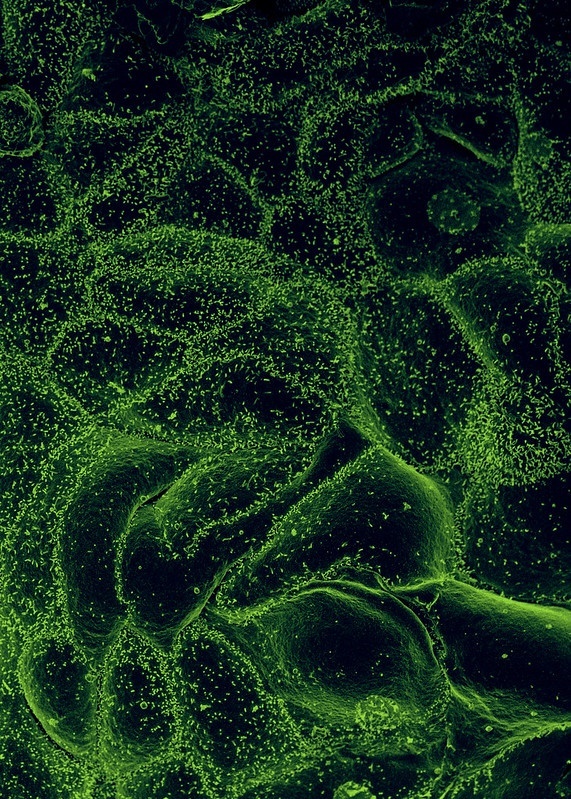
| Friday, Feb. 3, 2023 This image shows Ebola virus isolated in November 2014 from patient blood samples obtained in Mali. The virus was isolated on Vero cells. Credit: NIAID NIAID scientists have successfully developed a vaccine against Sudan virus (SUDV) based on the licensed Ebola virus (EBOV) vaccine. SUDV, identified in 1976, is one of the four viruses known to cause human Ebolavirus disease. The new vaccine, VSV-SUDV, completely protected cynomolgus macaques against a lethal SUDV challenge. The findings were published in the journal The Lancet Microbe. SUDV is distinct from and less common than EBOV, but similarly deadly. A recent four-month SUDV outbreak in Uganda that ended on Jan. 11, 2023, caused 142 confirmed cases and 55 deaths. No treatment or vaccine for SUDV disease is licensed, although candidates are in clinical and preclinical trials, including VSV-SUDV. The live-attenuated vector vaccine uses genetically engineered vesicular stomatitis virus (VSV), an animal virus that primarily affects cattle, to express a SUDV protein as a single-dose vaccine. The researchers developed VSV-SUDV using techniques that led to Ervebo, the VSV-EBOV vaccine that Europe and the U.S. approved in 2019 as the first vaccine for the prevention of Ebola virus disease.  | 




No comments:
Post a Comment