Monday, November 13, 2023

NIAID Researchers Explore Metabolism in Determining Infectious Disease Severity

NIH/NIAID Template Banner


Monday, Nov. 13, 2023

NIAID Researchers Explore Metabolism in Determining Infectious Disease Severity
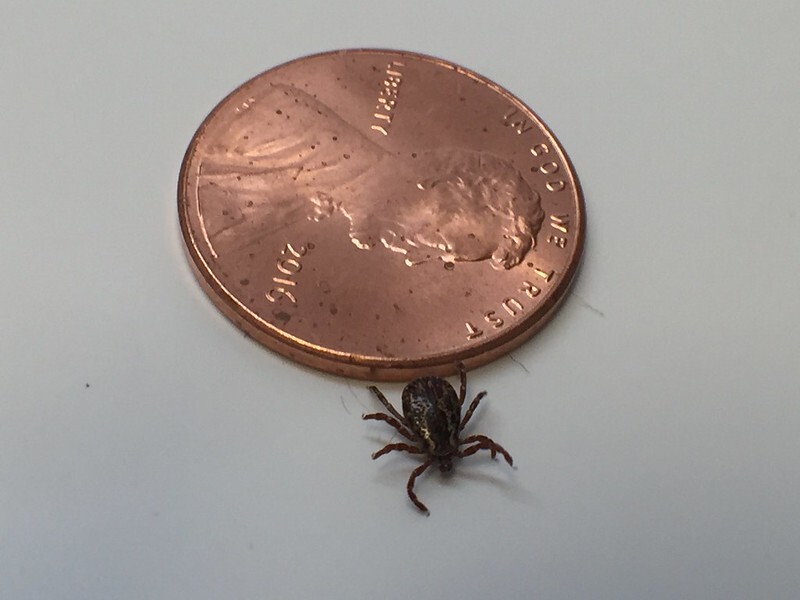
dog tick

Caption: A male adult dog tick, or Dermacentor variabilis, crawls over a penny. Dog ticks can transmit the pathogen that causes tularemia. (NIAID)

Francisella tularensis, the bacterium that causes tularemia, also known as rabbit fever, is "exquisitely adept" at manipulating immune responses in the lungs to create an environment for severe disease, according to new NIAID research published in PLOS One. The study focuses on how the route that a pathogen takes when causing infection – such as entering the nose versus the skin – can affect disease severity and metabolic and immune responses. Understanding how pathogens exploit hosts when establishing infection helps scientists better predict which therapeutic treatments will be successful.

Read More


This email was sent to myhcistech.healthnews360@blogger.com using GovDelivery Communications Cloud on behalf of: National Institute of Allergy and Infectious Diseases · 5601 Fishers Lane · Bethesda, MD 20892 · 1-866-284-4107 GovDelivery logo

No comments:

Post a Comment