Wednesday, November 4, 2020

FYI: Weekly Health Resources for November 4, 2020

Special Issue: Native American Heritage Month

November 4, 2020  |  View as a webpage

Rebranding 2020 FYI Banner

November is Native American Heritage Month

Native American Heritage Month

Native American Heritage Month celebrates the rich and diverse cultures, traditions, and history and acknowledges the important contributions of American Indians and Alaska Natives in the United States. Throughout November, the HHS Office of Minority Health (OMH) will focus on raising awareness about the health disparities impacting the American Indian/Alaska Native (AI/AN) community and highlight the importance of staying healthy during the COVID-19 pandemic.

Learn More

Funding

H-1B Rural Healthcare Grant Program

Job training funding provided by the U.S. Department of Labor.
Deadline is November 13, 4:00 pm ET.

Learn More


2020-2021 UIHI Community Grants Program

Funding provided by the Urban Indian Health Institute (UIHI).
Deadline is November 30.

Learn More


Intervention Research to Improve Native American Health

Research funding provided by the HHS National Institutes of Health (NIH).
Deadline for Letter of Intent (LOI) is April 17, 2021. 

Learn More

California Tribal Fund: COVID-19 Response

Funding provided by the First Nations Development Institute to California-based tribes or tribal nonprofits.
Deadline is November 20.

Learn More


AI/AN Head Start Grantee

Funding provided by the HHS Administration for Children and Families (ACF) to entities in Polk County, TX.
Deadline is January 5, 2021.

Learn More


Native American Research Centers for Health

Funding provided by NIH and the HHS Indian Health Service (IHS).
Deadline for LOI is May 24, 2021.

Learn More

Webinars and Other Events

Sexual Orientation and Gender Identity: HIV Disparities

MSI-HIV/HCV Prevention Program webinar hosted by Howard University.
November 5, 12:00 pm ET. 

Register

Registration is open for the NCAI Convention and Marketplace

Hosted by the National Congress of American Indians (NCAI).
November 8-13, Virtual.

Register

Expert Q&A: Supporting Indigenous Victims of Violence

Webinar hosted by the U.S. Department of Justice (DOJ).
November 20, 3:30 pm ET.

Register

Crushing COVID In Our Communities

Webinar hosted by the CDC Foundation.
November 5, 3:30 pm ET.

Register

Strategies of Support for Mental Health Providers

Weekly open forum hosted by the National American Indian and Alaska Native MHTTC.
November 17-December 29, 3:00 pm ET.

Register

Registration is open for the Protecting Our Children National American Indian Conference

Hosted by the National Indian Child Welfare Association.
April 11-14, 2021 in Seattle, WA.

Register

Resources

Resources: COVID-19 

Detail from the Johns Hopkins' "What Tribal Members Need to Know about COVID-19" fact sheet shows an illustrated AI/AN family.

The HHS Centers for Disease Control and Prevention (CDC) published statistics on COVID-19 among American Indian and Alaska Native Persons for 23 States and the CDC COVID Data Tracker provides up-to-date information on cases and deaths by race/ethnicity. 

The IHS Vaccine Task Force has released a COVID-19 Pandemic Vaccine Draft Plan that details IHS's role in COVID-19 vaccine allocation, distribution, administration, documentation and monitoring among AI/AN populations.

The National Indian Health Board (NIHB) has created a COVID-19 Tribal Resource Center. NIHB also hosted an information session on COVID-19 Vaccine Planning for Tribal Communities. 

UIHI has created a COVID-19 Updates and Resources webpage that includes Best Practices for American Indian and Alaska Native Data Collection and Fact Sheets for tribes, urban Indian communities and Urban Indian Health Programs. 

And the Johns Hopkins Center for American Indian Health (CAIH) has developed COVID-19 Materials for Tribal Use, including culturally relevant resources for healthcare providers and the general public. 

Resources: American Indian/Alaska Native Health

NB3FIT Week, November 2-8. Healthy Kids! Healthy Futures!

Join the Notah Begay III (NB3) Foundation for NB3FIT Week, which encourages tribes, Native-led organizations, urban Indian centers, schools and groups to host physical activity, fitness and/or health awareness events from today until November 8.

The CDC Seasonal Influenza Resource Center has created an infographic that details how AI/ANs are at higher risk of developing serious complications from the flu. 

The National Indian Council on Aging has developed the LTSS (Long Term Services and Supports) Compass to provide AI/AN elders and their family or caregivers information on the concept of a lifelong continuum of care. 

As part of the Minority HIV/AIDS Fund and the Ending the HIV Epidemic initiative, UIHI has created culturally attuned HIV education materials for both AI/AN patients and the healthcare providers who serve them.

The Healthy Native Youth collaborative launched the Talking is Power campaign, which provides weekly text messages that offer culturally appropriate tips and resources for parents and caregivers. The messages cover topics such as sexual health, pregnancy, STDs and consent among AI/AN youth. 

And the Northwest Portland Area Indian Health Board has initiated the IDEA-NW Project in order to reduce AI/AN misclassification in public health data systems and provide Northwest Tribes with local-level health data. 

Clinical Trials

Reducing Diabetes Risk Factors in American Indian Children: Tribal Turning Point (TTP)

This behavioral study, sponsored by the University of Colorado, Denver and the NIH National Institute of Diabetes and Digestive and Kidney Diseases (NIDDK), seeks AI/AN children ages 7-10 years old with at least one parent/primary caregiver willing to actively participate in a program designed to reduce diabetes risk factors by improving activity and dietary behaviors. The study is to be conducted at the Children's Hospital Colorado in Aurora, CO. 

Learn More


Connecting Alaska Native People to Quit Smoking (CAN Quit)

This behavioral study, sponsored by the Mayo Clinic and the NIH National Institute on Drug Abuse (NIDA), seeks ANs age 19 years or older who smoke at least 1 cigarette per day over the past 7 day period in order to test a culturally relevant, Facebook delivered intervention to promote smoking treatment uptake and cessation among AN smokers. The study is to be conducted at the Mayo Clinic in Rochester, MN.

Learn More

Workforce Development

Training: Johns Hopkins CAIH Winter Institute 2021

As part of the Bloomberg School of Public Health's Summer and Winter Institute Programs, the Johns Hopkins CAIH offers 2-3 week-long courses in AI/AN public health. These courses are designed to introduce indigenous health leaders to public health approaches to address health disparities in tribal communities.
Deadline is December 30.

Learn More

Knowledge Center

Knowledge Center: See our new acquisitions

Recommended Reading

Priorities in Tribal Public Health is a report issued by the American Public Health Association in conjunction with the Tribal Public and Environmental Health Think Tank. The group presents an overview of historical, cultural, environmental, and socioeconomic factors that impact current health conditions among American Indians and Alaska Natives, and details strategies for future program development. 

To access this document or request additional information, search the online catalog.

facebooktwitterinstagramyoutubeblogsubscribe


GovDelivery, Inc. sending on behalf of Office of Minority Health · 1101 Wootton Parkway, Suite 100, Rockville, MD 20852 · 1 800-444-6472 GovDelivery logo

Video for Parents | Radiopharmaceuticals | Drug Resistance, Cancer Information Highlights, November 4, 2020

National Cancer Institute

Having trouble viewing this email? View it as a Web page.

Bookmark and Share

Cancer Information Highlights
From the National Cancer Institute
Updating you about cancer causes, prevention, screening, treatment, coping, and more
 
New from NCI
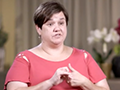
Video—Managing Cancer Information during Your Child's Treatment
Mom of child with cancer who is featured in the video   In this video, parents and oncology experts discuss how to find credible information and work together as active partners on a child's treatment team.
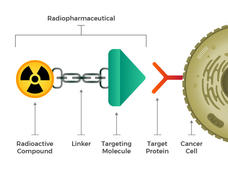
Radiopharmaceuticals: Radiation Therapy Enters the Molecular Age
illustration shows a radioactive compound linked to a targeting molecule attaching to a target protein on a cancer cell   Radiopharmaceuticals include a radioactive molecule, a targeting molecule, and a linker that joins the two. Learn more about how researchers are developing this new class of cancer drugs.
Cancer Drug Resistance: Unraveling Its Complexity

Drug resistance remains one of the biggest challenges in cancer treatment. This section of the NCI Annual Plan & Budget Proposal for Fiscal Year 2022 summarizes the research aimed at solving the puzzle of why some cancers become resistant to treatment and how to prevent it.
Nivolumab Improves Survival for Some Patients with Advanced Stomach Cancer

Results from a large clinical trial suggest that some people with advanced stomach cancer may live longer if they get nivolumab (Opdivo) and chemotherapy at the beginning of their treatment.

 
Also of Interest
Cancer Currents Blog Posts on Prevention

Interested in the latest cancer prevention news with comments from leading scientists? Visit this page for the list of Cancer Currents blog posts that address this topic.

Coronavirus: What People with Cancer Should Know

Some cancer treatments may increase your risk of severe illness from COVID-19. Learn how people with cancer can protect themselves and what you should do if you have symptoms of an infection.

Contact Us for Help

Information specialists at NCI's Cancer Information Service (CIS), NCI's contact center, are available to help answer your cancer-related questions in English and Spanish. Reach us by phone, chat, or email.


This email was sent to myhcistech.healthnews360@blogger.com using GovDelivery Communications Cloud on behalf of: National Cancer Institute · BG 9609 MSC 9760 · 9609 Medical Center Drive · Bethesda, MD 20892 GovDelivery logo

Tuesday, November 3, 2020

New Cell Envelope Tethering Mechanism

NIH/NIAID Template Banner

Tuesday, November 3, 2020

NIAID Scientists and Colleagues Reveal New Tethering Mechanism in a Gram-Negative Cell Envelope

Sandoz 3

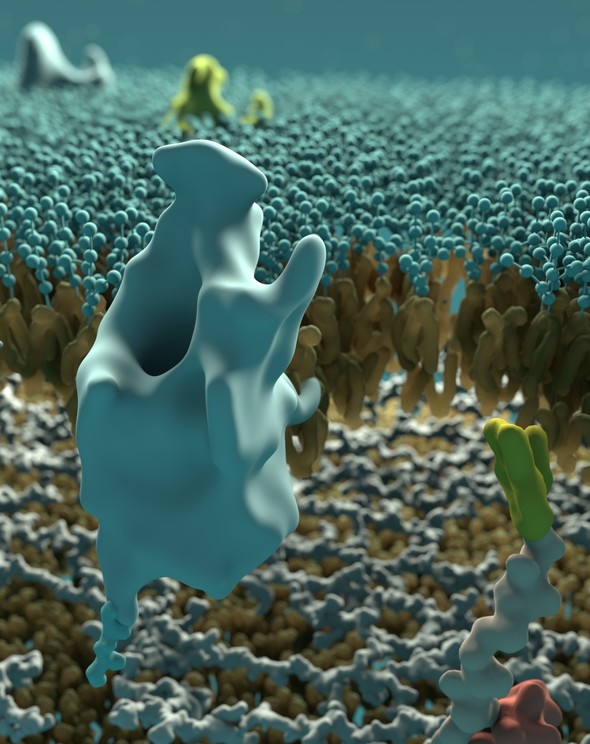
NIAID researchers and colleagues have discovered a mechanism that some bacteria, such as those that cause Q fever and Legionaries disease, use to assemble their cell envelope. Their study in Nature Microbiology explains how these pathogens use many different membrane proteins, called "porins," to tether the outer membrane to the bacterial cell wall. These findings offer a new perspective on bacterial cell structure, which is important for development of new antimicrobial therapies.

Read More


This email was sent to myhcistech.healthnews360@blogger.com using GovDelivery Communications Cloud on behalf of: National Institute of Allergy and Infectious Diseases · 5601 Fishers Lane · Bethesda, MD 20892 · 1-866-284-4107 GovDelivery logo

Inflammatory disease | Restoring vision | Colon mucus

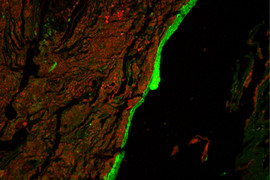
New inflammatory disease discovered; gene therapy with novel protein restores vision in mice; how mucus protects the colon

This email was sent to myhcistech.healthnews360@blogger.com using GovDelivery Communications Cloud on behalf of: National Institutes of Health (NIH) · 9000 Rockville Pike · Bethesda MD 20892 · 301-496-4000 / TTY 301-402-9612 GovDelivery logo